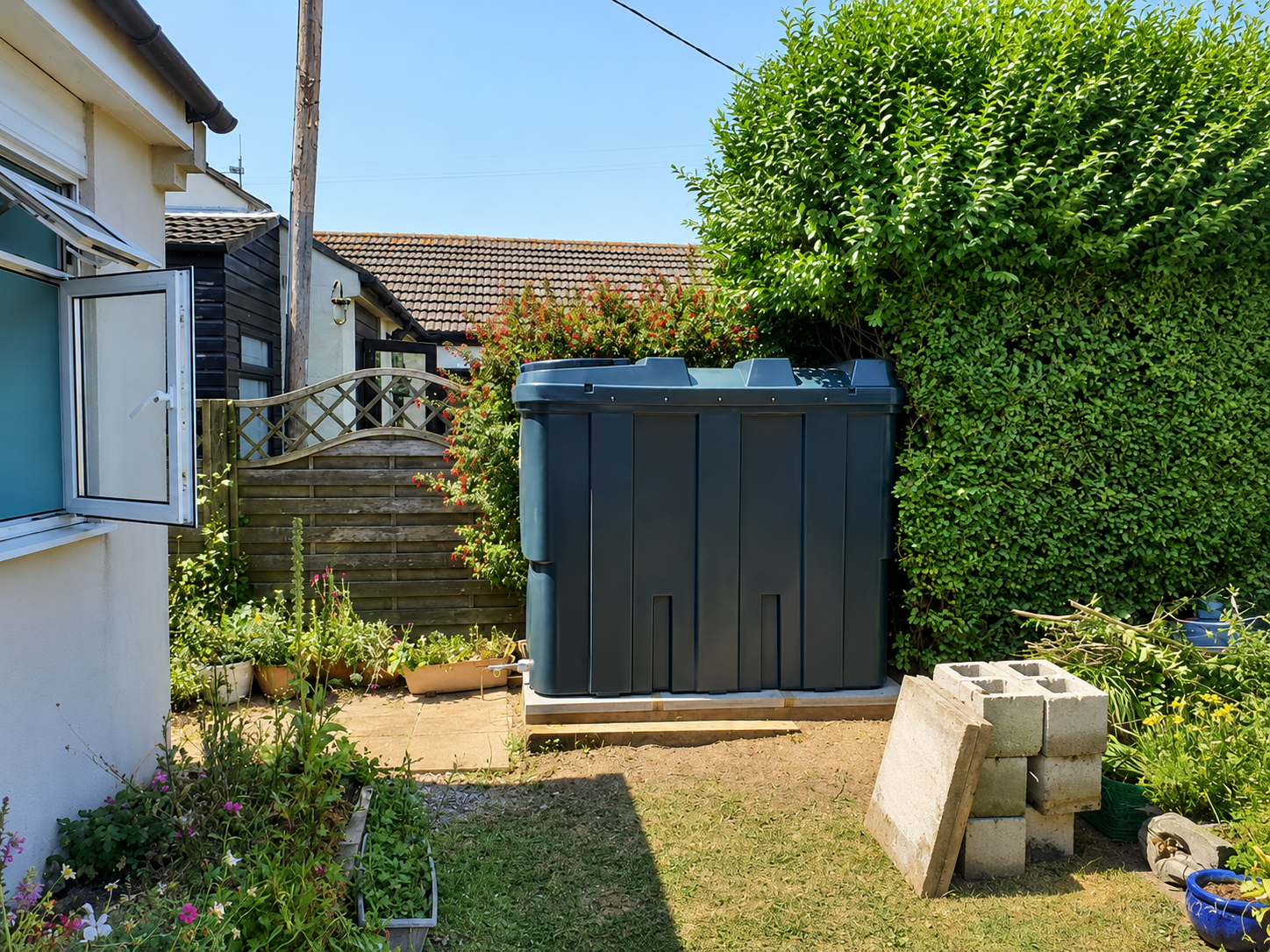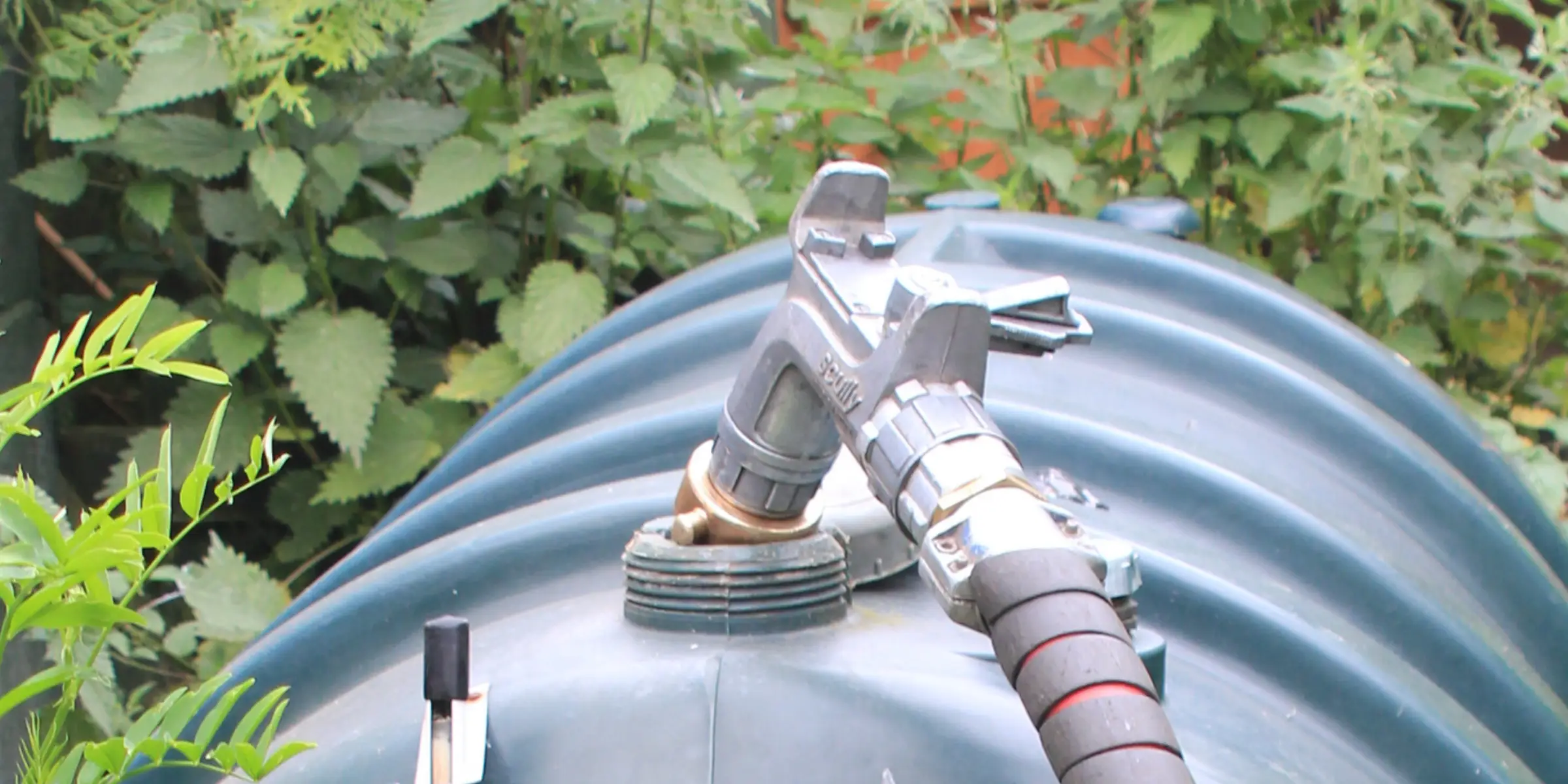
For millions of off-grid homes across the UK, a domestic oil tank is the heart of the central heating system. However, like any outdoor fixture, oil storage tanks deteriorate over time due to weather exposure, ground movement, and general wear and tear.
Catching the warning signs early can save you thousands of pounds in clean up costs and emergency repairs. Here are the top four signs that your oil tank is reaching the end of its lifespan and needs replacing.
The Key Signs
1. Visible Cracks, Bulges, or Severe Rusting
Physical damage on the outside of your tank is the most obvious indication of structural weakness. On plastic oil tanks, UV radiation from sunlight causes the material to degrade over time, leading to fine surface cracks or larger splits along the seams. Bulging or bowing along the sides suggests that the structural integrity of the plastic has failed under the weight of the fuel.
For steel tanks, rust is the main enemy. While light surface rust is common, deep corrosion or flaking paint often indicates that the metal is thinning from the inside out. If you notice structural distortion, splitting, or severe rusting, the tank is at high risk of a sudden split and should be replaced immediately.
2. Unexplained Fuel Drops and Oil Odours
If you notice that your fuel levels are dropping much faster than usual without an increase in heating use, you may have a hidden leak. Small pinhole leaks or hairline cracks near the base of the tank can allow heating oil to seep into the surrounding soil undetected.
A persistent smell of kerosene around your property or near the tank base is another strong indicator of a spill. Heating oil has a distinct, sharp odour that does not dissipate quickly. Ground contamination from a leaking oil tank is a serious environmental hazard in the UK and clean up fees can easily exceed tens of thousands of pounds if fuel reaches nearby watercourses or neighbouring foundations.
3. Water Contamination and Sludge Build Up
Condensation naturally forms inside oil tanks as temperatures shift. Over time, this water settles at the bottom of the tank, creating a breeding ground for bacteria and sludge. If water enters your heating system, it can cause flame dropouts, burner failure, and severe internal corrosion of the fuel pipework.
If your heating engineer frequently finds water or heavy sediment during your annual maintenance, or if your boiler repeatedly locks out due to fuel line blockages, internal tank degradation can be the culprit. While fuel polishing can temporarily remove water, a heavily corroded or contaminated tank often requires a full replacement to protect your boiler.
4. The Tank Is Over 10 to 15 Years Old
Even if an oil tank looks fine on the surface, age is a big factor. Most manufacturers design domestic plastic and steel oil tanks to have an operational lifespan of around 10 to 15 years. Beyond this timeframe, the materials become brittle and far more susceptible to failure during extreme winter freezes or heavy fills.
Older single skin tanks no longer meet modern building regulations in many scenarios. Upgrading to a modern bunded oil tank, which features a double walled design to catch internal leaks, ensures your property complies with environmental safety standards and keeps your home insurance coverage valid.
Protecting Your Off-Grid Heating System
Regular visual checks between professional annual services are the best way to monitor the condition of your oil tank. If you spot any of these warning signs, consult an OFTEC registered technician to assess whether a replacement is necessary before a minor fault turns into an expensive spill.
Concerned about your oil tank or simply want a free quote on an upgrade? Feel free to contact our friendly team who have been helping the East of Anglia keep their oil tanks in top condition for over 25 years.