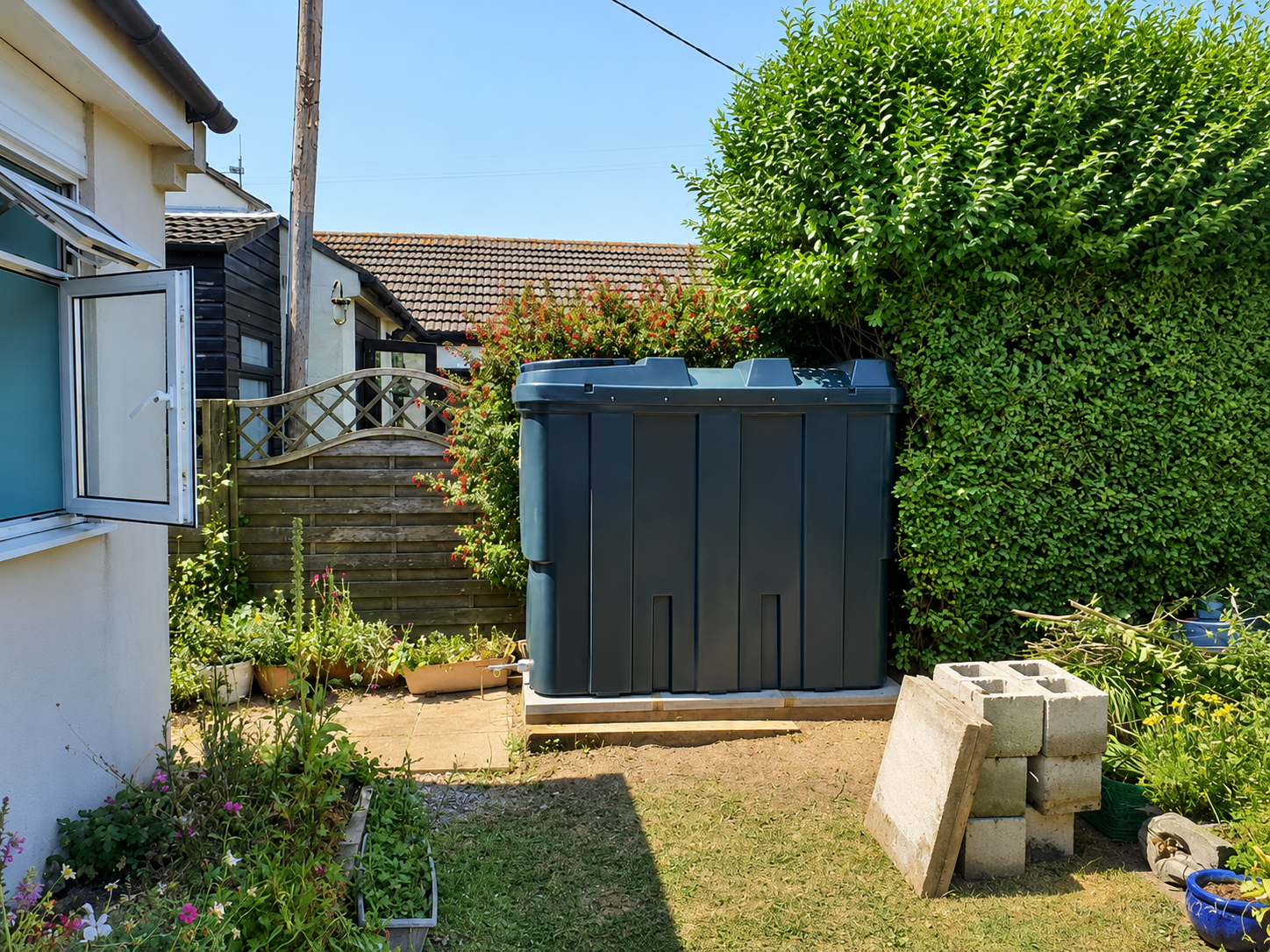
If you live off the mains gas grid in the East of England, whether nestled in a Suffolk village, tucked away in the Norfolk countryside, or living along the Fens of Cambridgeshire your domestic oil tank is the unsung hero of your home. It keeps your heating running through damp winters, yet it often sits tucked away in the garden, out of sight and out of mind.
Like everything else exposed to the British weather, heating oil tanks don't last forever. Knowing when to replace your oil tank can save you from a minor headache turned bank-breaking environmental emergency.
What Is the Lifespan of a Domestic Oil Tank?
The average lifespan of a domestic heating oil tank depends primarily on the material it's made from and how well it has been maintained. Plastic (polyethylene) tanks typically last between 15 and 20 years. Sunlight and weather exposure play a major role in this lifespan, as UV radiation causes the plastic to degrade over time, eventually leading to brittleness and microscopic cracks that weaken the container.
Steel tanks generally offer a slightly longer lifespan of 20 to 30 years. While they are sturdier against physical impacts than plastic,steel is particularly prone to internal corrosion caused by trapped water condensation, as well as external rust if protective paint coatings peel away.
Warning Signs Your Tank Is Failing
Before an oil tank fails completely, it usually leaves a few clues. Inspecting your setup twice a year allows you to catch these visual warning signs early.
For plastic tanks, one of the earliest indicators is crazing,a network of fine, white, spiderweb-like lines across the surface caused by long-term UV exposure, signifying that the material has become brittle and prone to cracking under pressure. You should also keep an eye out for any obvious bowing or bulging along the sides of the unit. A tank losing its original shape indicates severe structural weakness, often accelerated by thermal expansion during warm summers or an uneven concrete base.
On steel models, look out for rust and flaking paint,particularly deep pitting around the seams, valves, and lower edges where water tends to sit. Beyond physical damage to the structure itself, persistent oil odours or visible discolouration in the surrounding area are clear signals that trouble is brewing.
Strong kerosene smells around the garden path, dark damp stains on the concrete base, or patches of dying grass and plants along the perimeter all point towards an active leak.
What Happens If You Don't Replace It in Time?
Delaying a replacement until a leak occurs can cause severe consequences across your property and household budget:
Delivery Refusal
Fuel delivery drivers conduct a visual inspection before filling your tank. If they spot severe cracking, bulging, or an unstable base,they are legally permitted to refuse delivery. Being left without heating oil in the middle of a cold East Anglian winter is an avoidable disaster.
Boiler & System Damage
Old tanks accumulate sludge, rust, and water condensation at the bottom over time. As the tank degrades, this debris gets sucked into your oil line, clogging filters, damaging the fuel pump, and causing your oil boiler to lock out.
Environmental & Structural Contamination
A sudden split can spill over 1,000 litres of kerosene into the ground in minutes. Heating oil migrates quickly through soil, soaking into house foundations, contaminating neighbouring garden soil, and washing into local drains or ground water supplies.
The Potential Costs of an Oil Leak
A preventive oil tank replacement typically costs between £1,100 and £2,400 (depending on size, bunding requirements, and installation complexity).
By contrast, the cost of dealing with an oil spill can be substantial:
Insurance Issues
Many homeowners assume their building insurance covers oil leaks automatically. However, standard policies frequently contain exclusions for gradual wear and tear, lack of maintenance, or age-related failure. If your insurer determines that a 20-year-old single-skinned tank leaked due to neglect, you could be left footing the entire cleanup bill yourself.
Protecting Your Investment Across the East of England
If your oil tank is creeping past its 15th birthday or showing visible signs of wear, replacing it proactively is the safest and most cost-effective decision you can make.
When replacing your unit, make sure you hire an OFTEC-registered technician to carry out the installation to modern UK Building Regulations. Doing so protects your property, keeps your home warm, and gives you total peace of mind for the next two decades.
Is your oil tank in need of an inspection or upgrade? Our friendly and local Goff + team will be happy to offer you a free quote.