Around 15% of UK households (roughly 4.5 million properties) live off the mains gas grid. Whether you are tucked away in a countryside cottage running on heating oil or using bulk Liquefied Petroleum Gas (LPG) in a rural village, keeping your house warm requires a different approach than plugging into the national gas network.
Because off-grid heating systems deal with heavier fuels or pressurised gas tanks, one question comes up constantly: How often should an off-grid boiler be serviced?
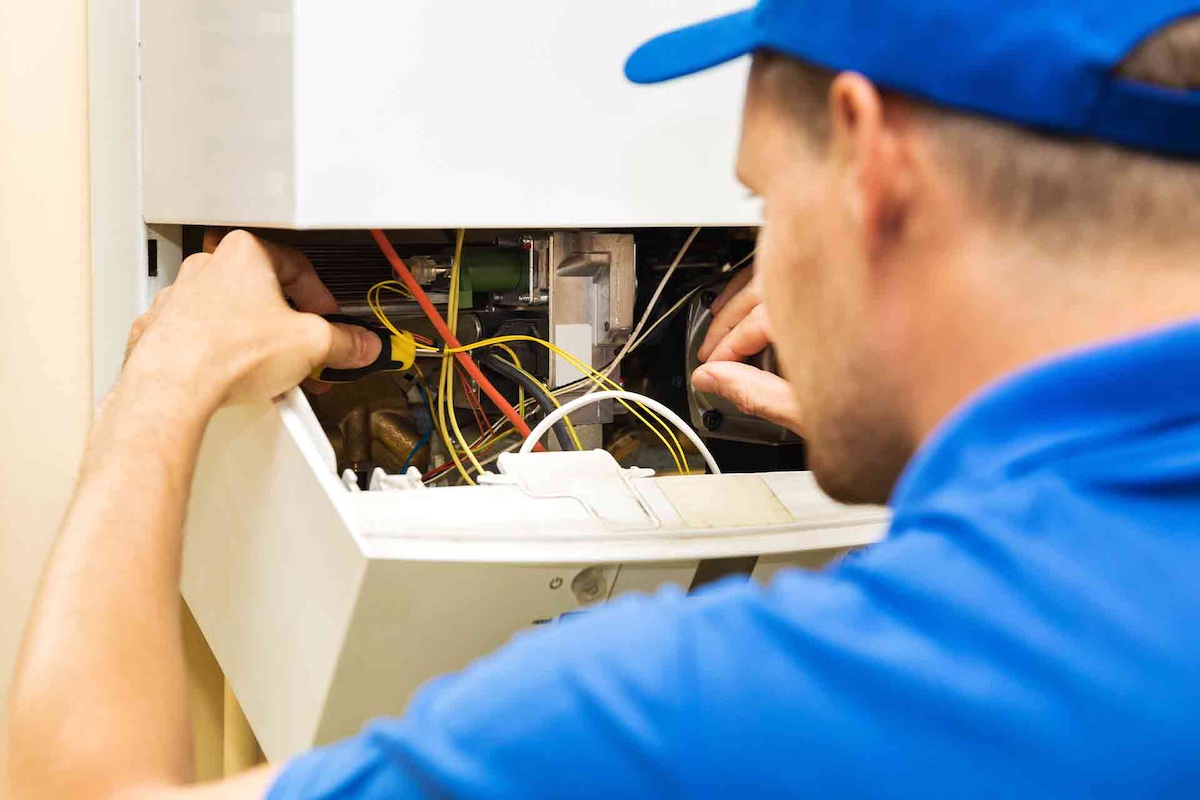
The short answer is at least once every 12 months. Skipping that annual check-up might feel like an easy way to save £100, but off-grid heating systems are far less forgiving of neglect than standard mains gas units.
Recommended Servicing Frequency for Off-Grid Systems
What Happens When Unserviced Off-Grid Boilers Go Wrong?
Off-grid fuels burn differently from mains natural gas. Heating oil and LPG leave unique deposits and demand strict maintenance routines. According to industry research, nearly 80% of boiler breakdowns result in households being left without heating or hot water for a full day, with 1 in 10 suffering without warmth for up to three days.
One of the most frequent issues in oil boilers is soot buildup and nozzle clogging. Kerosene does not burn completely clean, so soot accumulates on the heat exchange over time, while microscopic debris clogs the burner nozzle. A dirty nozzle can reduce burner efficiency by up to 10%, forcing your system to burn significantly more expensive fuel just to achieve the same indoor temperature.
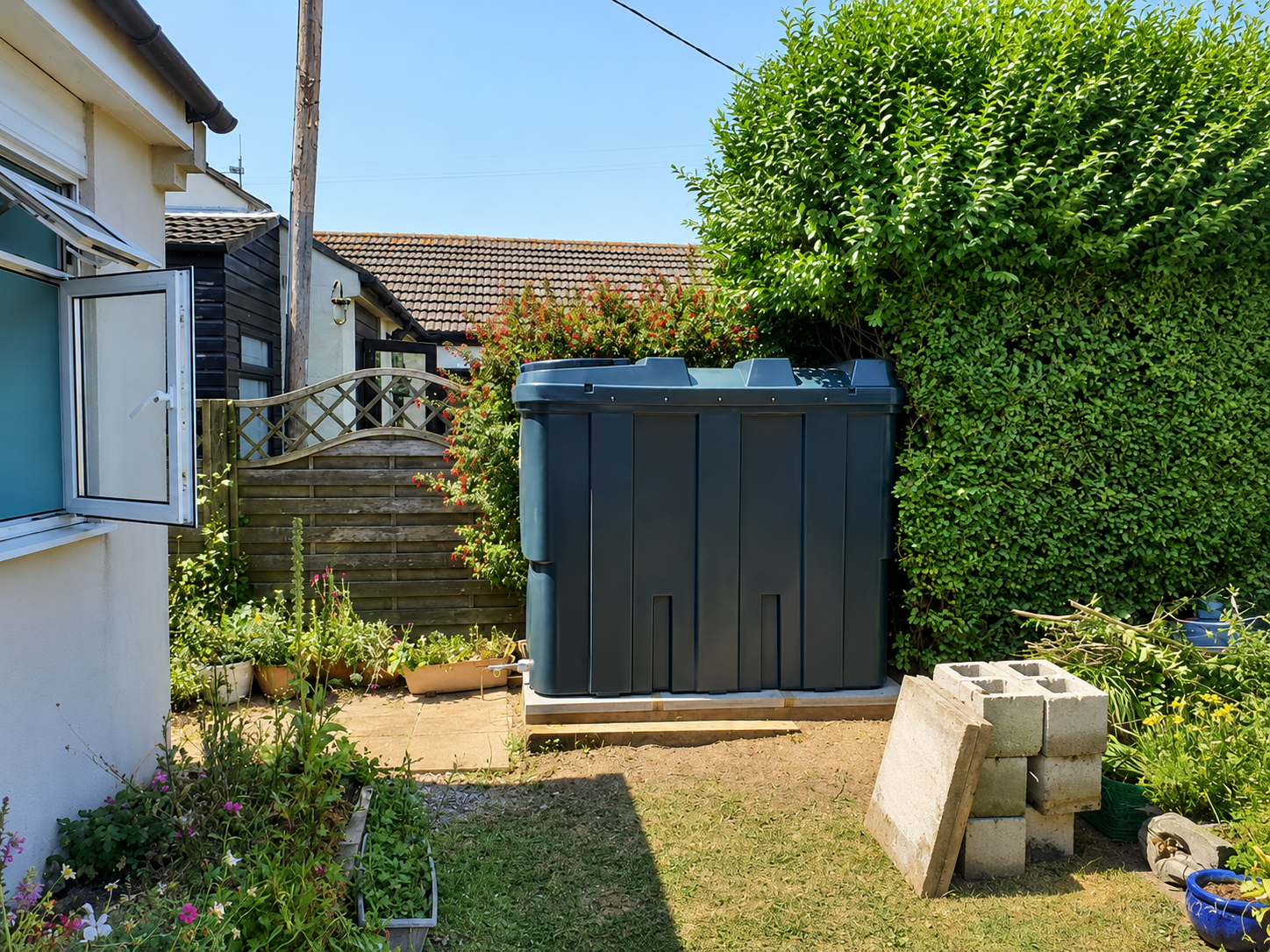
Water contamination and tank corrosion are another potential hazard. Oil storage tanks naturally collect condensation overtime. If left unchecked during an annual service, water settles at the bottom of the tank, corrodes internal pipework, and travels into the fuel pump,causing thousands of pounds in physical damage.
Finally, ignition failures frequently occur due to moisture and carbon buildup on electrodes within LPG and oil boilers.This is a leading cause of winter breakdowns, usually striking on the coldest night of the year when heating demand peaks.
The Real Price Tag: What Does a Boiler Breakdown Actually Cost?
Ignoring routine boiler maintenance can turn a modest servicing fee into an eye watering repair bill. Standard fixes for minor issues like faulty valves or sensors typically cost between £120 and £250, while replacing mid-level components like circulating pumps or diverter valves ranges from £250 to £380. For major failures like damaged circuit boards or cracked heat exchangers, parts and labour easily reach £300 to £600. Should the unit fail during peak winter, emergency weekend or evening call out fees can add an extra £225 to £675 before repairs even begin.
When neglect leads to boiler failure, replacing the system altogether becomes the only option. Installing a new off-grid oil or LPG boiler typically costs between £2,500 and £5,000 or more, depending on property size, flue adjustments, and necessary pipework upgrades. On top of direct replacement expenses, in direct costs like running temporary electric space heaters can double daily electricity bills during cold spells. Ultimately, annual servicing remains a small investment compared to the steep financial hit of an unexpected breakdown.
UK Legal Requirements and Boiler Warranties
Depending on whether you own or rent your home, annual servicing transitions from sensible home care to a strict legal obligation.
Landlords and the Law
If you rent out an off-grid property in the UK, annual maintenance is mandatory under several regulations. Under the Gas Safety (Installation and Use) Regulations 1998, landlords are legally required to carry out an annual Gas Safety check (CP12 certificate) on all LPG appliances using a Gas Safe registered engineer qualified in LPG.
Section 11 of the Landlord and Tenant Act 1985 mandates that landlords keep all installations for space heating and hot water in proper repair and working order throughout the tenancy. While oil and biomass systems are not governed by Gas Safety regulations, the Homes (Fitness for Human Habitation) Act 2018 obliges landlords to maintain safe and working heating. Failing to service an oil boiler that subsequently breaks down in winter can quickly trigger local council enforcement action.
Homeowners, Warranties and Insurance
If you own your home, you face two major commercial consequences if you skip annual maintenance. First, you risk invalidated warranties. Almost 100% of major boiler manufacturers explicitly state that their multi-year guarantees are only valid if the unit is serviced every 12 months by an accredited technician (OFTEC for oil, Gas Safe for LPG). Skipping just one year means expensive repair bills will come straight out of your pocket. Second, standard UK buildings and contents insurance policies often contain fine print requiring heating installations to be maintained in a safe condition. If an unserviced oil tank leaks hundreds of litres of fuel into the surrounding soil, environmental clean-up costs can exceed £50,000, and insurers may refuse to pay out if neglect is proven.
Don't Wait for Winter
An off-grid boiler is an investment that keeps your home warm when the frost sets in. Servicing an LPG or oil boiler costs between £90 and £180 on average, which is a modest figure compared to emergency call out fees or replacing a blown heat exchanger.
Mark your calendar and contact Goff + for an annual check-up. It keeps your heating reliable, protects your wallet, and ensures your home stays safe and warm all year round.